Achieve ISO Certification in 2026: Step-by-Step Guide for South African Businesses
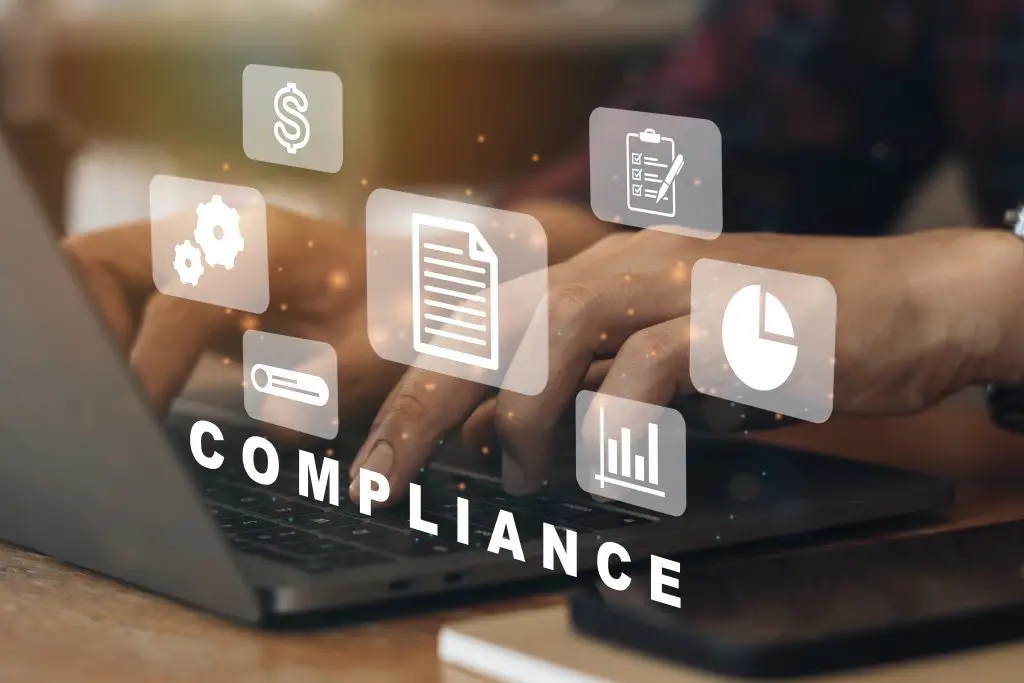
In 2026, South African businesses face growing cybersecurity threats, from ransomware and phishing attacks to costly data breaches. SMEs are particularly vulnerable, while compliance with POPIA, GDPR, and industry regulations adds pressure. Operational disruption, reputational damage, and financial loss are real risks. This article outlines practical steps—including risk assessments, ISO 27001-aligned security controls, and policy management—to help companies safeguard sensitive data, maintain compliance, and build trust with clients and regulators.
Solve Your Data Privacy Challenges with ISO/IEC 27701 in South Africa

In 2026, South African businesses face growing cybersecurity threats, from ransomware and phishing attacks to costly data breaches. SMEs are particularly vulnerable, while compliance with POPIA, GDPR, and industry regulations adds pressure. Operational disruption, reputational damage, and financial loss are real risks. This article outlines practical steps—including risk assessments, ISO 27001-aligned security controls, and policy management—to help companies safeguard sensitive data, maintain compliance, and build trust with clients and regulators.
Prevent Data Breaches and Compliance Risks for South African Businesses in 2026

In 2026, South African businesses face growing cybersecurity threats, from ransomware and phishing attacks to costly data breaches. SMEs are particularly vulnerable, while compliance with POPIA, GDPR, and industry regulations adds pressure. Operational disruption, reputational damage, and financial loss are real risks. This article outlines practical steps- including risk assessments, ISO 27001-aligned security controls, and policy management- to help companies safeguard sensitive data, maintain compliance, and build trust with clients and regulators.
ISO 27001 Implementation Guide 2026 | Steps to Certification
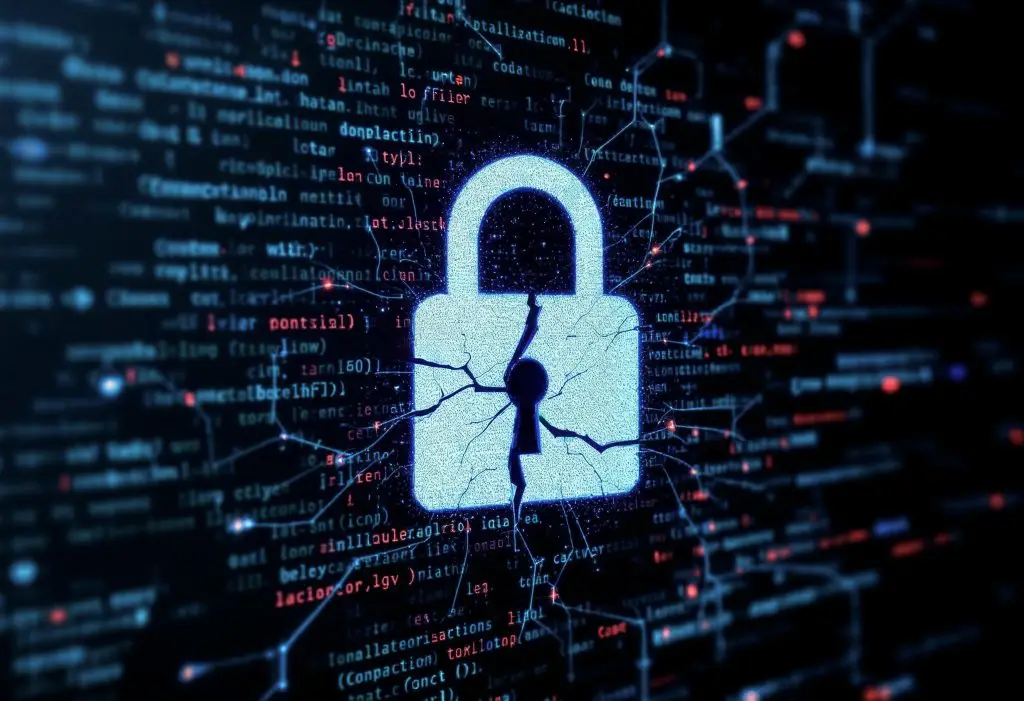
This ISO 27001 Implementation Guide for 2026 explains how organisations can establish and manage an effective Information Security Management System (ISMS). Learn the key steps for ISO 27001 compliance, from defining scope and performing risk assessments to implementing controls and achieving certification.
ISO 27701- Privacy Information Security Management

ISO 27701 extends ISO 27001 to help organisations manage personal data responsibly through a structured Privacy Information Management System (PIMS). As privacy regulations such as GDPR and POPI continue to tighten, ISO 27701 provides a practical framework for managing PII risks, strengthening governance, and building long-term stakeholder trust.
ISB Achieves ISO 27701 and ISO 27001 Certification on First Attempt

ISB has successfully completed ISO 27701 and ISO 27001 certification on the first attempt. This success story showcases their approach to privacy, information security, and compliance, providing insights for organisations aiming for similar achievements.
Internal Audits: The Pulse of Your Quality or Information Security Management System

Internal audits are essential to the success of ISO Management Systems such as ISO 9001 and ISO/IEC 27001. They go beyond compliance, helping organisations assess effectiveness, identify gaps, manage risks, and drive continual improvement. Regular audits ensure processes are properly implemented and standards consistently met, reducing operational and security risks. This guide explains why internal audits matter, the six key steps to conduct them effectively, and how structured documentation supports compliance and long-term business success.
Enhancing Security, Privacy, and AI Governance Through ISO Integration

Integrating ISO 42001 with ISO 27001 & ISO 27701 delivers tangible business value.
For organisations handling significant amounts of personal data, combining AI governance with existing security and privacy frameworks ensures operational efficiency, regulatory readiness, and customer trust. ISO 42001 complements ISO 27001 (information security) and ISO 27701 (privacy) by embedding AI ethics, lifecycle governance, and system impact assessments directly into your management systems. Companies that already have ISO 27001 and 27701 certifications can leverage established processes, documentation, and governance to accelerate ISO 42001 adoption, reduce implementation costs, and demonstrate a unified approach to risk management.
Four Management Disciplines to Keep Your ISO 27001 ISMS Effective

Ensuring your ISO 27001 Information Security Management System (ISMS) stays relevant and proportionate requires focus on four fundamental management disciplines. By defining a clear information security policy, setting and monitoring measurable objectives, conducting regular risk reviews, and aligning your Annex A Statement of Applicability with your policies and processes, organisations can maintain an effective, sustainable ISMS. These core practices embed security into daily operations, keep controls proportionate to actual risks, and ensure ISO 27001 compliance adds real business value.
The High Cost of AI Failure

AI projects promise transformative value, but without strategic governance, failures can be costly. Common pitfalls include biased or limited datasets, poor planning, misaligned expectations, and premature deployment—issues seen in Amazon’s hiring algorithm, IBM Watson for Oncology, and McDonald’s AI drive-thru pilot.
ISO/IEC 42001:2023 provides a structured framework to mitigate these risks, integrating data quality, fairness, impact assessment, leadership accountability, deployment planning, and change management. By applying ISO 42001 controls, organizations can move from reactive problem-solving to proactive AI governance, aligning projects with business objectives, managing risks, and ensuring responsible and reliable AI deployment.